

Hearing counseling and assessments
We help people with hearing loss manage daily life more effectively by providing support both in obtaining and fitting hearing aids.
We conduct a thorough hearing assessment and, based on the results, identify the hearing solutions that best suit you.
We stay by your side even after you get your hearing aids – offering counseling, maintenance, and repair when needed. Share your challenges and joys with us – we’re here to support you.

Sale of Oticon hearing aids
We offer hearing aids from the Danish company Oticon. Oticon is one of the world’s leading and most recognized hearing aid manufacturers.
Our selection includes both in-the-ear and behind-the-ear models. We always find the right device in collaboration with you, taking into account your hearing, ear shape, preferences, and needs, as well as how comfortable and easy the device is to use and maintain.
See more: Hearing aids and accessories

Maintenance and repair
We handle the maintenance and repair of hearing aids, earmolds, and related devices, as well as post-adjustments and the sale of accessories and batteries.
Oticon hearing aids come with a 2-year warranty.

In-home consultation
In addition to our service center in Tallinn and service points across Estonia, we offer in-home consultations for those who are unable to visit our center (currently within Tallinn).
During an in-home consultation, we:
-
Conduct a hearing assessment for obtaining a new device or adjusting an existing one,
-
Program the hearing aids,
-
Take an impression for a custom earmold.

Continuing education and seminars
We offer continuing education for hearing care professionals and share our expertise through lectures and seminars. We discuss hearing loss, its impact on daily life, and various hearing assistive devices.
If you would like to invite us to a training session or seminar, please contact us at: info@heakuulmine.ee
Frequently Asked Questions
-
How to purchase technical aids with a state discount in Estonia?
We have maintained a longstanding partnership with the Social Insurance Board, enabling us to offer hearing aids at discounted prices. For further details on applying for discounted technical aids, please click HERE (Social Insurance Board) or read more: How to purchase technical aids with a state discount in Estonia?
-
What do the abbreviations miniRITE, BTE, CIC, etc. mean?
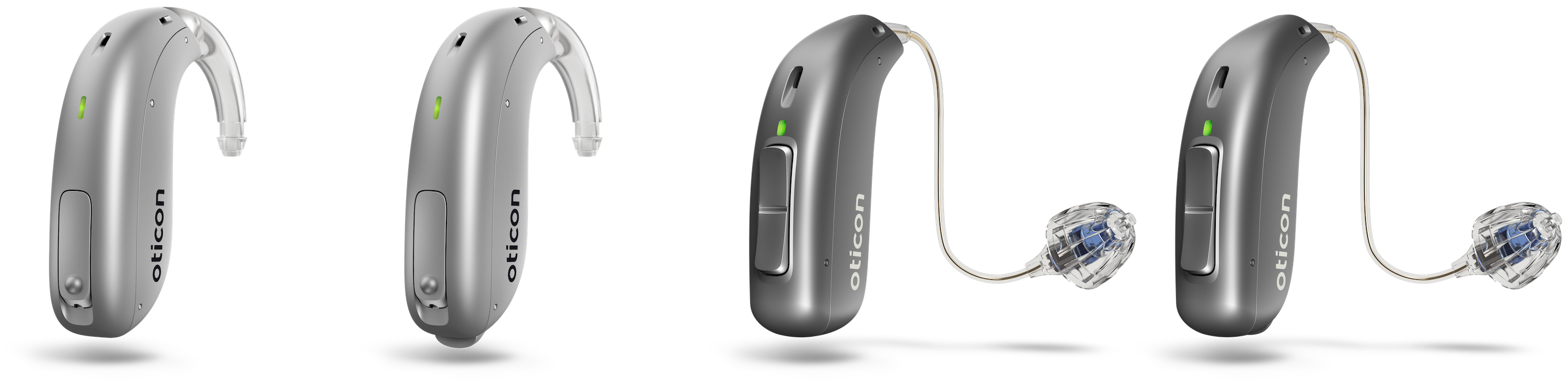
The abbreviations miniRITE, miniBTE, etc., seen next to hearing aid models refer to different types of hearing aids. Here’s a quick guide:
Behind-the-ear (BTE) hearing aids can be divided into two categories:
- Behind-The-Ear (BTE) is the most traditional type, where the hearing aid sits behind the ear, and sound is delivered to the ear through a customized earmold. In the past, most hearing aids were of this type. However, with technological advancements, we now have:
- Receiver-In-The-Ear (RITE), where the speaker sits on a thin wire rather than inside the hearing aid casing. This design allows sound to travel directly into the ear canal, resulting in less feedback and more natural sound.
You can find the following additional abbreviations:
- R (Rechargeable) refers to a rechargeable hearing aid that operates without batteries.
- T (Telecoil) indicates a hearing aid with the capability to receive signals from loop amplifiers. In this case, sound is not picked up by the hearing aid microphone but is received directly through the loop amplifier system. Loop amplifiers are commonly found in theaters, concert halls, and various service facilities.
In-the-ear (ITE) hearing aids:
All in-the-ear hearing aids are custom-made to fit your ear precisely. However, ITE hearing aids may not be suitable for everyone. For example, in-the-ear devices may not be suitable for children or individuals with very narrow ear canals. If you have severe hearing loss, you may require a more powerful behind-the-ear hearing aid. For more detailed information, consult with a hearing specialist.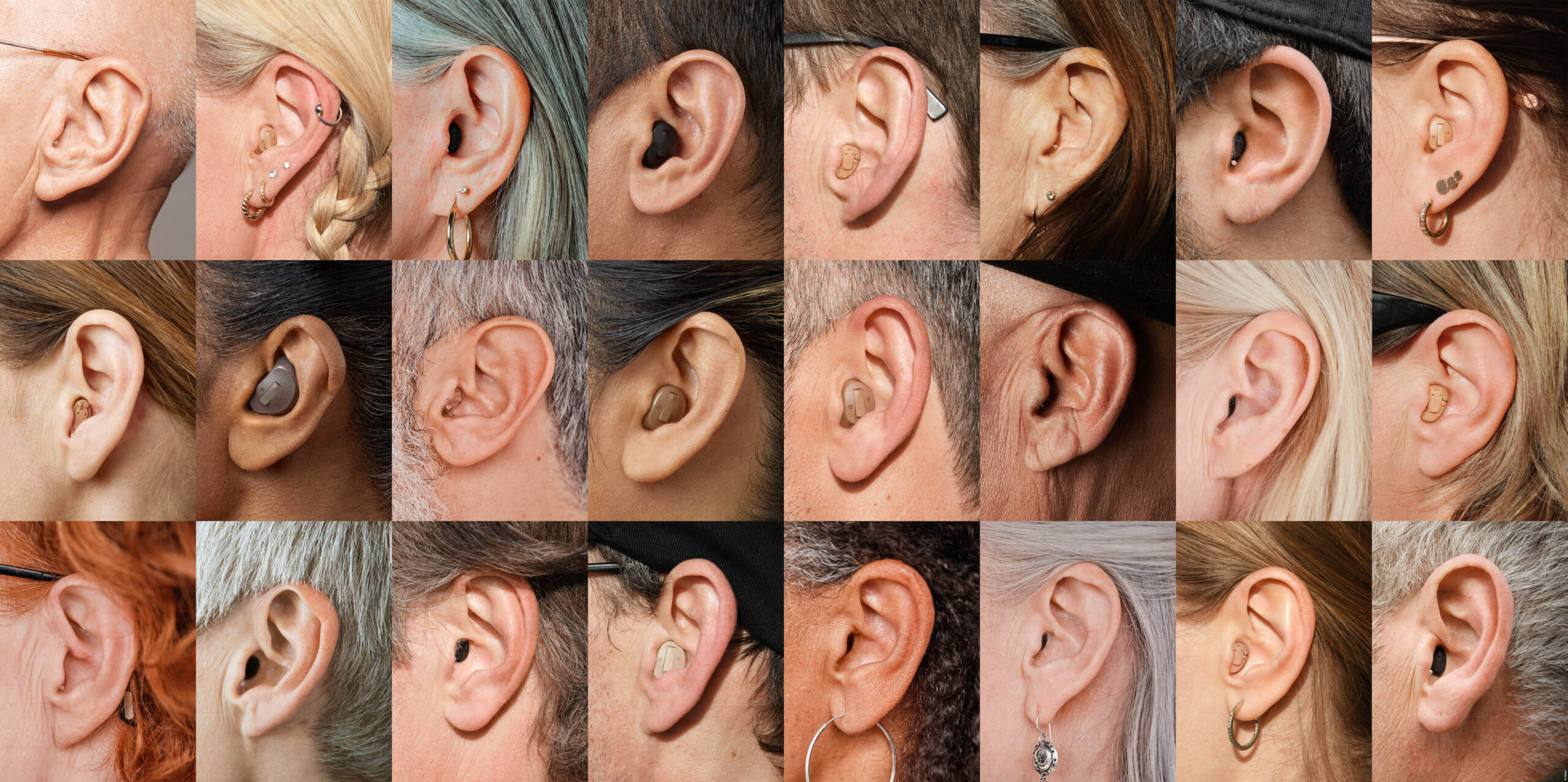
-
- IIC (Invisible-in-the-canal). This is the smallest type of hearing instrument available and is invisible in the ear — designed for people who want the ultimate in discretion. Sitting deep inside the ear canal, an IIC instrument offers the benefits of the natural acoustics of the external ear. IIC instruments are custom made and are recommended typically for people with mild to moderately severe hearing loss, and whose ear canals are wide enough for them to fit.
- CIC (Completely-in-the-Canal). This extremely small hearing instrument, a little bigger than an IIC device, is almost invisible in the ear, and also provides the ultimate in discretion. CIC instruments are custom made and are recommended for people with ear canals large enough for them to fit.
- ITC (In-the-Canal). Slightly larger than Completely-In-the-Canal hearing aids. These can be Bluetooth hearing aids – so you can connect wirelessly to smartphones, TVs, and other devices. A small faceplate is visible in the lower part of the ear. This can have a volume wheel to control the sound level, and a button to control the program. As Bluetooth hearing aids, you can pair ITC hearing aids with many digital entertainment and communication devices, as well as dedicated hearing care accessories, such as remote microphones and our remote control. The larger size of ITC hearing aids makes them easier to handle than the smaller hidden hearing aid styles. This suits people who might struggle to operate very small hearing aids. Oticon ITC suit people with a mild to severe hearing loss. ITCs are custom hearing aids that are moulded to fit your ears precisely.
- ITE HS (In-the-Ear Half-Shell). These hearing aids fill up more of the visible ear. They are easy to use and connect wirelessly to smartphones, TVs, and other devices. This type of hearing aid sits visibly in the ear itself (in the concha), rather than just in the ear canal. They are also known as low-profile hearing aids. Because they are larger than other in-the-ear hearing aids, they are easier to handle for people who face dexterity challenges. Half-Shell hearing aids can be easier to insert in your ears and make it easier for you to change the batteries. What is more, they can accommodate longer-lasting batteries and larger controls. Half-Shell hearing aids are suitable for hearing loss from mild to severe. Half-Shells are custom hearing aids that are moulded to fit your ears precisely.
- ITE FS (In-the-Ear Full-Shell). These hearing aids are the easiest in-ear hearing aids to handle and use. They connect wirelessly to smartphones, TVs, and other devices. This type of hearing aid sits visibly in the ear itself (in the concha), rather than just in the ear canal. They are also known as low-profile hearing aids. Because they are larger than other in-the-ear hearing aids, they are easier to handle for people who face dexterity challenges. Full-Shell hearing aids can be easier to insert in your ears and make it easier for you to change the batteries. What is more, they can accommodate longer-lasting batteries and larger controls. Full-Shell hearing aids are suitable for hearing loss from mild to severe. Full-Shells are custom hearing aids that are moulded to fit your ears precisely.
-
How long does the warranty on the devices last?
The warranty for Oticon devices lasts for 2 years.
We also provide repair and maintenance services. If you have any concerns, please do not hesitate to contact us.
-
Where to buy hearing aids?
Nowadays, you can order almost anything directly to your home from the internet, including hearing aids. However, hearing aids and accessories need to be adjusted according to the individual’s hearing loss. Unfortunately, there’s no universal hearing aid that fits all individuals with hearing impairments. The extent of hearing loss is determined after a hearing test. Hearing specialists advise and find a suitable hearing aid for you, adjusting the devices to fit your needs precisely. In addition, hearing centers provide maintenance and repair services, as well as ongoing support that most hearing aid users require.
Our recommendation is to purchase hearing aids only from professional hearing centers.
Check out our center’s hearing aids: Hearing Aids
-
Can you test your hearing at home?
Correct results are only provided by hearing tests conducted at hearing centers and medical facilities. However, there are several online hearing tests available on the internet that you can try out of interest, but it is not advisable to draw conclusions based solely on them.
You can try the Oticon online hearing test here: https://www.oticon.com/hearing-test
If you suspect yourself or a loved one of hearing loss, feel free to contact us, and we’ll help find the best solutions!
-
When to consider replacing a hearing aid?
Just like any other item we use, hearing aids also have a limited lifespan. Since many people rely on hearing aids daily, they experience wear and tear over time. Generally, hearing aids can function well for about three to seven years, and sometimes even longer for some individuals. The lifespan of a hearing aid depends on factors such as maintenance, care, and the type of device. While most people only contemplate replacing their hearing aids when they malfunction, it’s essential to consider refreshing your devices for other reasons as well. Read more